
How does creatine help with cognitive support?
Creatine helps your cells with the energy they need to perform tasks, and that includes the cells in your brain.
For example, your brain needs energy when you’re thinking really hard, learning something new, focusing or concentrating. And when you need to recall something quickly like why you just walked into the room, energy is used by the brain to help power that task.
Creatine can be depleted in your muscles, but it can be very depleted in your brain. I was personally interested to find out if a creatine supplement can help support my brain by helping to refuel it.*
Creatine gets into all of your cells, not only your muscle cells. It takes longer to get into your brain and other organs after saturating your muscles, but it gets there.
When creatine gets into your brain, it can help power cognitive performance with the energy it makes and recycles in your body. Today we explore what I am learning about Creatine.
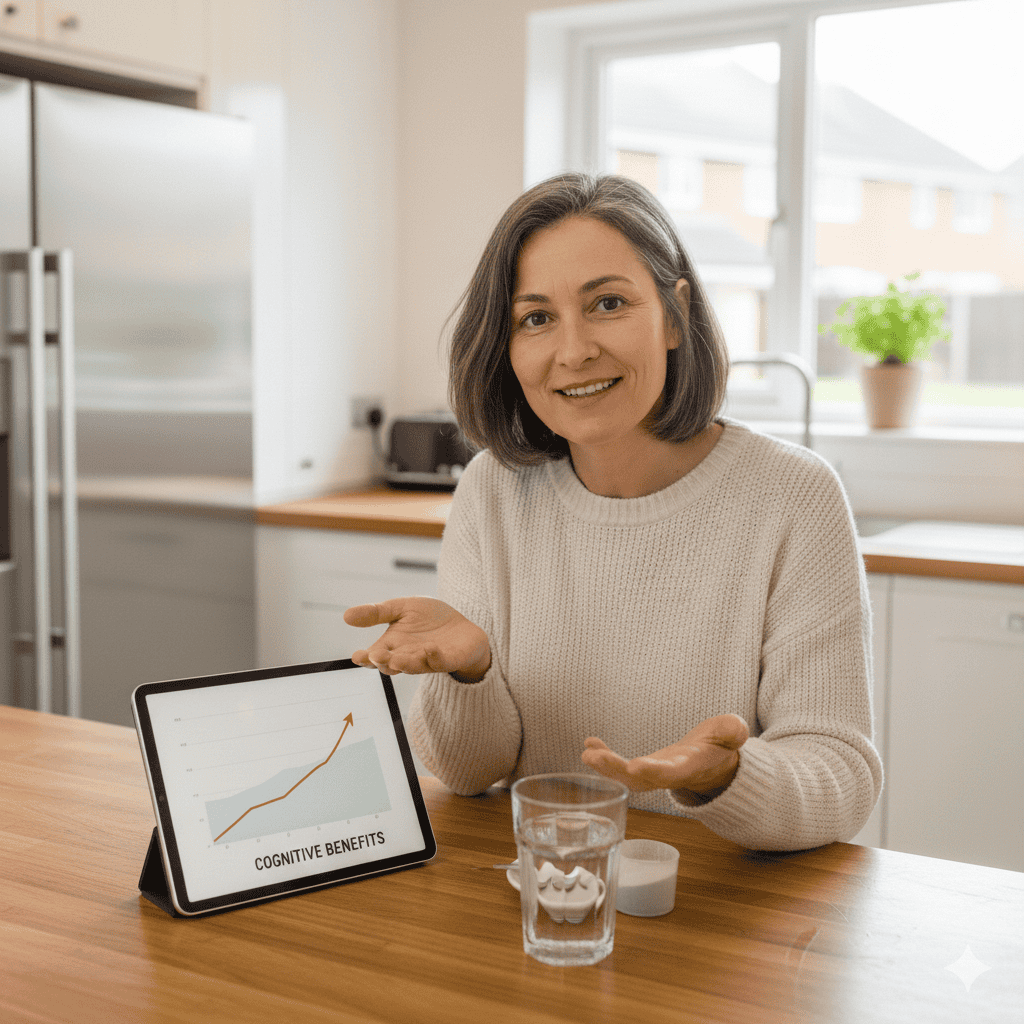
Your brain is only 2% of your body weight yet it is consuming over 20% of your body’s total energy.
Your body needs energy for so many things: to think, to breathe, to walk up stairs, to digest food, to fight off infection.
What is Creatine?
Creatine is a natural compound that is produced by your body. It is found in certain foods, most abundantly in red meat and fatty fish. It is also a popular supplement, and as we will discuss in this article not only for working out which is what I thought.
Creatine is essential for recycling energy in your body right at the time you need that energy. Adenosine Triphosphate (ATP) is the name for the primary energy currency of all your body’s cells.
ATP is in your muscles and that’s why many use it as a safe supplement to boost high-intensity exercise performance, increase muscle strength, and help recover better after workouts.
Recently when the wellness brand I have used for 4 decades introduced a Creatine supplement that is also beneficial cognitively and throughout the body*, I found out that creatine is not just about muscles.
I am in the process of getting an education about creatine and part of that is learning that creatine is one of the most researched nutrition supplements in the world.
Creatine was discovered almost 200 years ago, in the 1830’s and it is one of the best researched molecules ever. There are thousands of clinical studies.
Your body can make and store creatine, and 95-98% of it is stored in your muscle. That is why so many of the studies have been done on muscle and performance benefits.
It got its notoriety in the 1990’s when an Olympic gold medalist athlete said that he took Creatine and attributed his winning to it. A lot of people were taking it in the late 1990’s and early 2000’s for those benefits.
Science doesn’t stand still and researchers appreciated what creatine does in our body. It recycles energy that our body has already used and that’s needed for quick bursts of energy.
We know muscles need energy for those quick bursts like sprinting and lifting and climbing stairs. Other tissues in the body need quick bursts of energy, and scientists began to study how your immune cells need energy fighting infections, your heart needs energy fighting stress, and your brain needs energy for many cognitive functions.
Affiliate Disclaimer: This site contains affiliate links, which means we receive compensation, at no extra cost to you, if you make a purchase using the links provided. We appreciate your support so much!
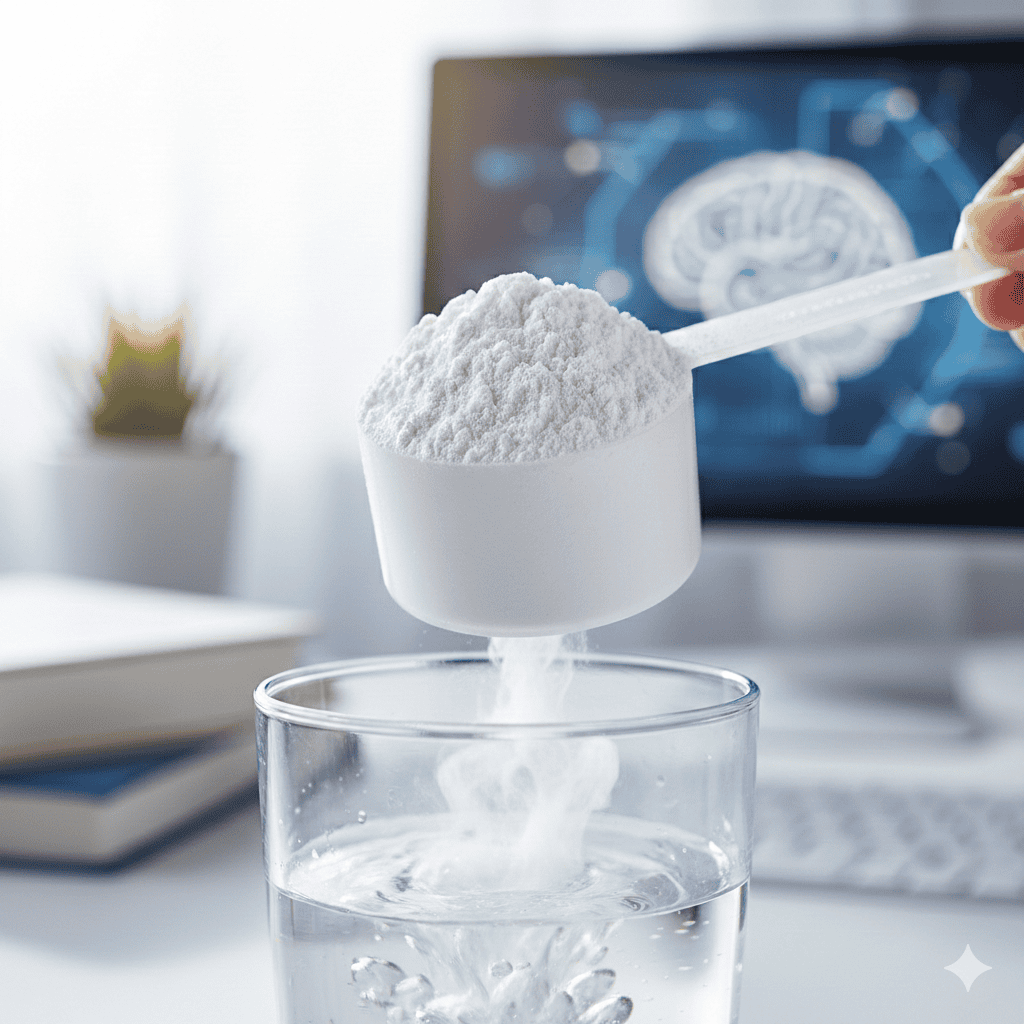
How Does Your Body Get Energy?
Energy is important in all of your body systems. How does your body get energy into your cells so that it’s ready when you need it?
You get the energy from the food you eat. Your body breaks the food down into little building blocks that are used in every cell throughout the body to make energy. The energy molecule is called ATP.
The body uses ATP for all its functions, but it uses energy very quickly. And it really doesn’t store it.
So what happens if you need energy quickly? You can’t rush to the kitchen, eat more, and then wait for your body to digest. You need energy quickly.
What creatine does is take the ATP your body already used and recycles it so your body can use it again in those high demand situations.
This is the reason why you want to make sure you have enough creatine that can help with energy production.
What Are Energy Challenges As You Age?
Today we have all kinds of health issues that challenge us, and we have the natural aging process that changes the way your body can make or store creatine.
Why is ATP especially important when you get older?
First, when you think about how you get creatine from food, you may not eat enough of the foods rich in creatine such as red meat and fatty fish.
Second, your appetite may decline as you get older, or you may be limiting calories for a health or weight condition. Also many people tend to eat less protein as they age. Bottom line you may not get as much creatine as you did when you were younger.
Third your body can make its own creatine, but as you age your body has more trouble making it and uploading it into cells. That makes it harder to store creatine as well.
Last, many people have less muscle and so less space store creatine.
Energy efficiency declines as we get older.
It’s harder to do things that were easier and required less energy when younger, such as going up stairs and other physical activity.
So we still have high energy needs as we get older.
This is WHY Creatine is needed as we get older.
Who Should Take Creatine?
Adults who want support for their daily energy needs, their physical performance, and their cognitive function and who aren’t getting enough from their diet to meet their needs.*
If you feel like you need more energy during everyday activities or exercise, or feel like you need additional support for focus, mental clarity and memory, you may want to explore more about creatine.
Women in mid-life transitioning into new phase of life start to lose muscle; and since women naturally have less lean body mass or muscle than men, they are already storing less Creatine.
As we age the health in our mitochondria start to decline, so the ability to make the energy declines.
When you’re learning something new or thinking hard about something, your energy needs increase.
When your body is under stress or being pushed harder in some way, it needs more energy and more of that quick energy.
There are many cells in the body that need energy and quick bursts of energy.
How Long Does It Take To Feel the Effects of Creatine?
When you take a typical serving of 5 grams of Creatine per day, you should expect to feel muscle benefits in 2-4 weeks. The reason is that Creatine will initially saturate your muscle cells since it goes into muscle cells first.
Next, Creatine will go into your brain, bone, heart, and immune cells. Tis takes a little longer, usually about 4-6 weeks.
If you want to feel benefits quicker, you can do what is called a loading phase where you take 2 servings (10 grams) each day for 5-7 days and then return to regular serving size.
A loading phase saturates the tissues faster, still starting with your muscles. One last note is that there is research showing warm tissues will take it in quicker, suggesting after exercise can be a good time to have your serving.
Shaklee Creatine+
Typical supplements have only Creatine. You want to look for the specific form monohydrate that has been highly studied and is bioavailable.
This creatine is for recycling only – energy that your body has already used and is recycling it.
Shaklee made Creatine for the entire energy cycle including the health of the mitochondria which declines with age.
Creatine+ Power Blend from Shaklee has two additional ingredients with the Creatine: Polyphenols and Magnesium.
With Creatine+ Power Blend you are getting all 3 parts of the energy cycle:
Recycle – Creatine (reuse the ATP we have left in our body to use for quick bursts)
Make New – Polyphenols (supports health of mitochondria to optimize the production of new ATP)
Activate – Magnesium (your body has to be able to activate the creatine to use it)
With Creatine alone you will see energy benefits, but the additional ingredients will help your body generate more and then turn it on in your cells.
From Shaklee:
Creatine+ Power Blend is more than creatine—it’s clean, bio-efficient energy for your body and mind. This advanced formula combines micronized creatine monohydrate with our proprietary Power Blend of polyphenols and magnesium, designed to generate, recharge, and activate ATP, your body’s cellular fuel.* Use daily to keep your cells fully saturated for strength, stamina, and cognitive health.*
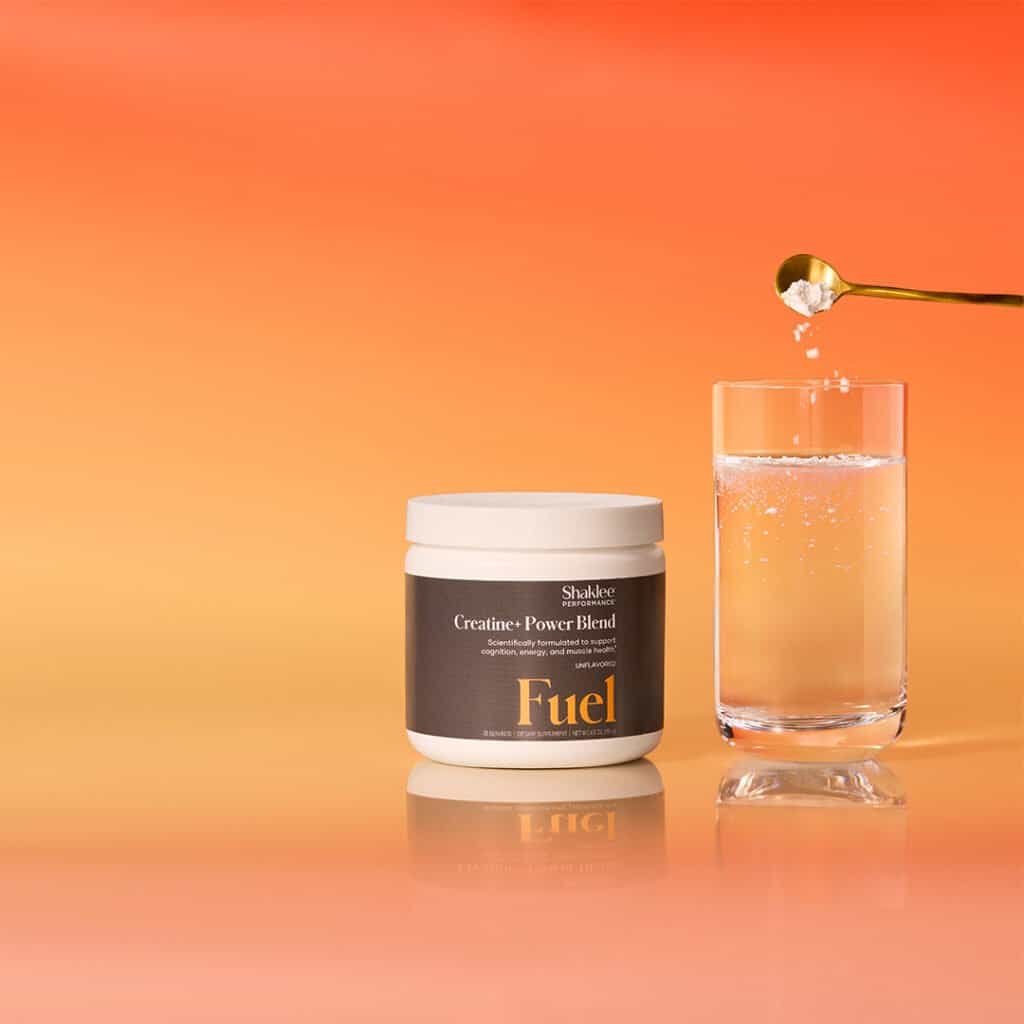
To learn more about Shaklee’s Creatine, check out the product page and scroll all the way down clicking on any + signs or down arrows that you see for all the information Shaklee provides for this unique product. We have personally used this brand for over 44 years: SHAKLEE CREATINE+ POWER BLEND.
Creatine Difference
Why would Creatine be a non-negotiable for a part of daily nutrition?
There are multiple reasons: your energy efficiency declines but your needs increase, you don’t get enough in your diet, or the health of your mitochondria is not optimal.
You begin to FEEL a difference when your body has the energy available to fuel all it’s activities better than you had been experiencing.
Creatine FAQ
Is there an ideal time to take Creatine?
It doesn’t matter what time of day. During first use or loading phase you might get more benefit taking when muscles are warm (after exercise).
It’s a daily use product. You don’t take it as needed since it has to get into the tissues.
You can take Creatin forever. Studies have been made on efficacy as well as safety.
Will Creatine bloat me?
When you start taking Creatine it pulls water into your cells with the Creatine. Any weight gain or bloating you may experience is water weight and temporary during initial use.
If you’re concerned about bloating, you may want to skip the loading phase because more creatine pulls more water into your cells.
What can I mix with Creatine to drink it?
You can mix Creatine with water, in a protein shake or smoothie, or with any type of drink. There is no taste to it and will not affect the taste of your choice of drink.
What does the clinical research show about serving size?
Creatine benefits in muscle are shown with 2 1/2 and 5 grams daily.
Cognitive benefits are shown with 5-20 grams, with the sweet spot at 5-10 grams.
We are all different and you will need to determine what’s best for you.
*These statements have not been evaluated by the Food and Drug Administration. These products are not intended to diagnose, treat, cure, or prevent any disease.
Disclaimer: This content is for informational use only and this is not a medical channel. Please check with your doctor before considering health supplements.